 |
~ NORTHERN LIGHT PHOTOGRAPHY ~
| |
|
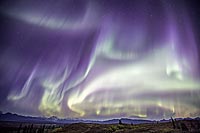
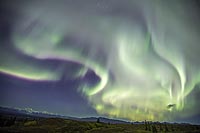
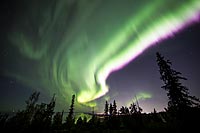
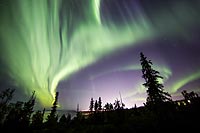
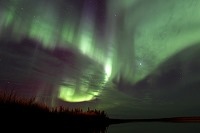
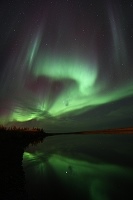
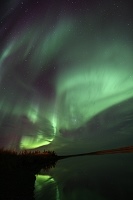
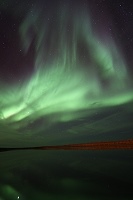
Bright Summer Northern Lights |
|
|
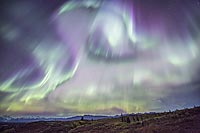
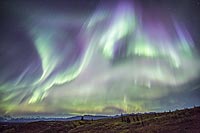
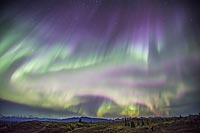
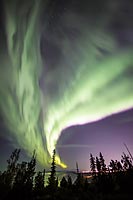
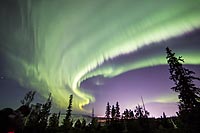
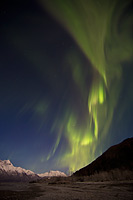
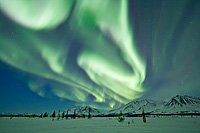
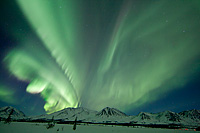
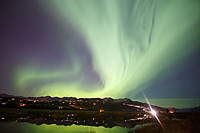
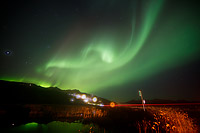
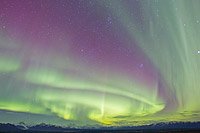
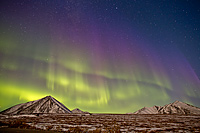
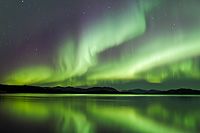
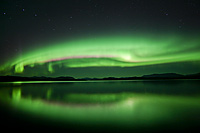
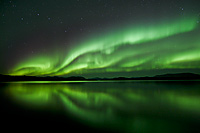
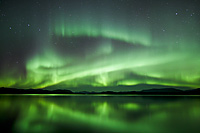
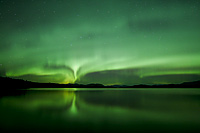
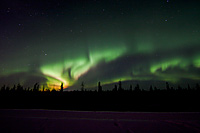
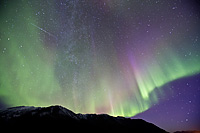
Being in northern latitudes, summers in Alaska are known to have long days followed by short nights. After dipping behind the mountains to mark the end of a peaceful day,
the sun continues to skim just below the horizon, only to resurface again before total darkness has time to set in. Instead of a deep black sky that we would normally see in the lower 48, we remain in some sort of eery twilight.
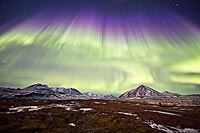
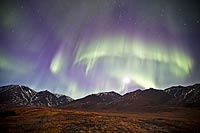
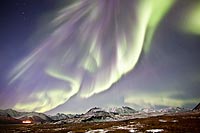
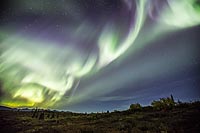
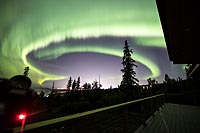
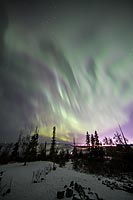
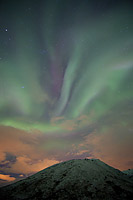
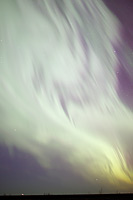
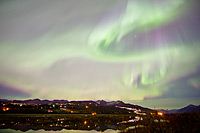
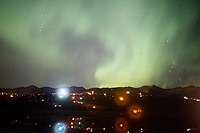
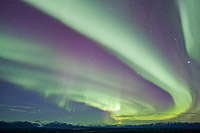
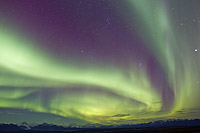
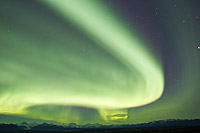
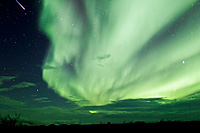
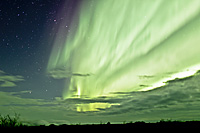
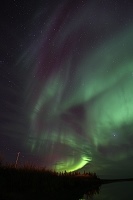
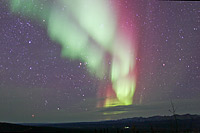
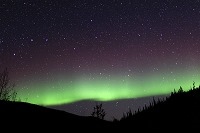
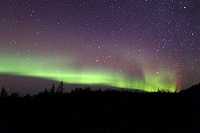
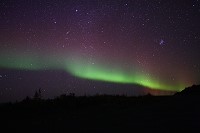
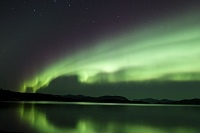
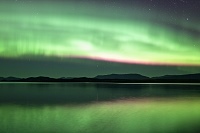
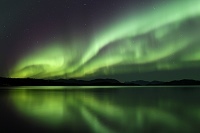
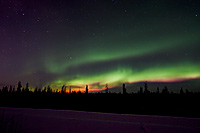
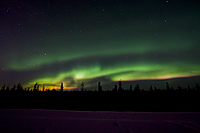
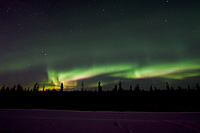
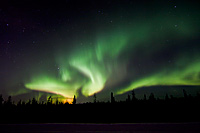
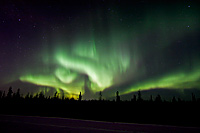
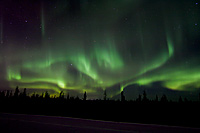
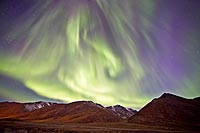
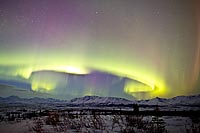
As a result, Auroras in Anchorage are usually not visible until the fall or winter when there is enough darkness. However, on this morning in August, an unexpected
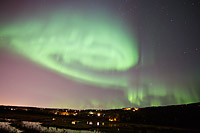
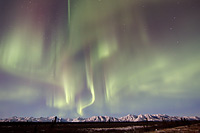
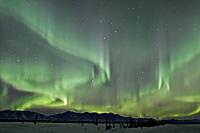
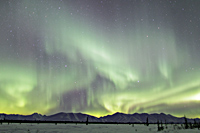
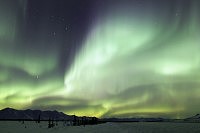
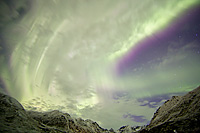
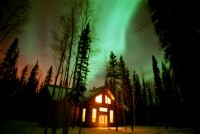
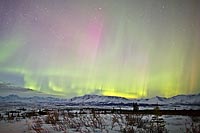
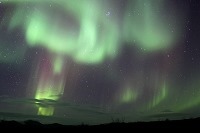
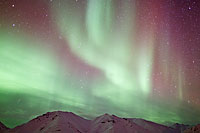
Aurora display lit up the whole sky...
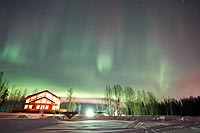
It was the first time we saw the northern lights so early in the year. This time, the white color on the ground was not from the snow we typically see in the other pictures but
it was from the Daisies that were still in full bloom. The grass was still a deep lush green and the leaves were still in full display on the trees.
|
|
|
|
Aurora Lights up the Entire Sky
 |
|
|
Bright Summer Aurora
 |
|
|
|
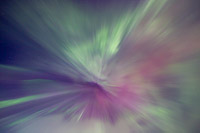
Aurora Colors
 |
| |
Even more surprising, it was raining in the few hours leading to these pictures, but somehow, the sky opened up just long enough to reveal the auroras. By day break, the sky was overcast again.
|
|
|
Aurora: Effects of Co-rotating Interaction Regions on Earth Magnetic Field |
|
|
Nuclear Mushroom
 |
|
|
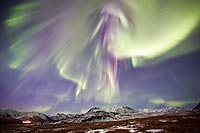
Auroras are usually produced from the effects of a Coronal Mass Ejection (CME) from the sun. Strong CME's that are Earth directed can result in
geomagnetic storms, however, another less known phenomenon is also capable of creating some of the most memorable Auroras: Co-rotating
Interaction Regions. As explained by Professor Kenneth Lang from Tufts University, "when fast solar-wind streams, emanating from coronal holes, interact with slow streams,
they can produce Co-rotating Interaction Regions in interplanetary space."
|
|
|
Professor Kenneth Lang: "Intense magnetic fields can be produced at the interface between the fast and slow streams in the solar wind."
|
|
|
|
|
|
|
Aurora Strikes Earth
 |
|
|
|
|
|
|
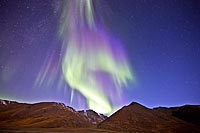
The effects of Co-rotating Interaction Regions (CIR) on the Earth Magnetice Field can last many days.
Several examples of Auroras from a September CIR event are displayed here.
|
|
|
|
|
|
|
Blue, Purple and Green Aurora
 |
| |
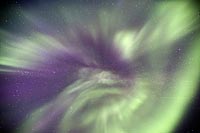
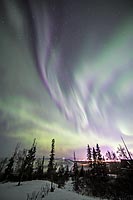
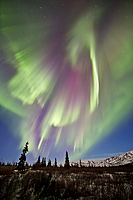
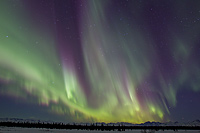
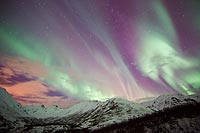
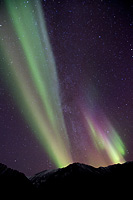
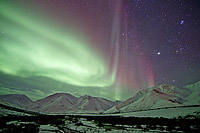
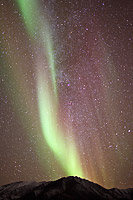
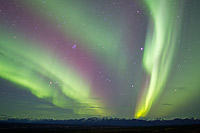
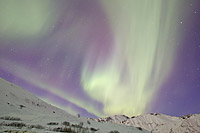
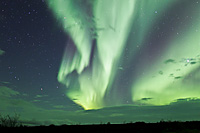
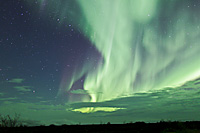
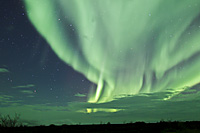
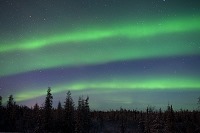
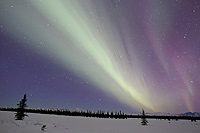
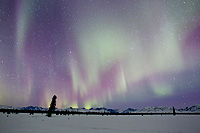
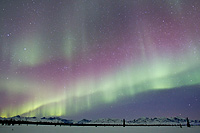
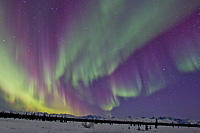
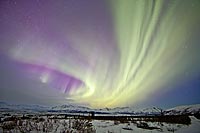
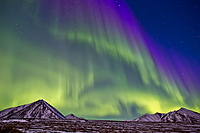
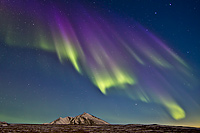
CIR producing intense Aurora colors, including a mixed pattern of green, purple and blue streaks of lights across the night sky.
The blue color, which is visible on the outer edge and top of the Aurora, transitions to purple then green as the light descends towards Earth.
A Poetic Ribbon...
 |
|
|
|
Strong Solar Flares in Interior Alaska |
|
|
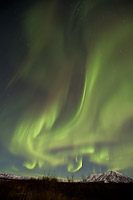
As a result of a strong solar flare, an intensely bright Aurora is visible in the dark sky in Interior Alaska.
|
|
|
|
|
|
|
|
|
|
These pictures were taken when the Kp Index was 6 or above. The Kp Index, on a scale
from 0 to 9, measures the global level of geomagnetic activity. The higher the better for auroras.
|
|
Bright Northern Lights in Anchorage |
|
|
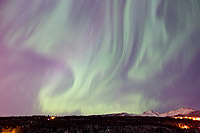
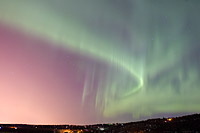
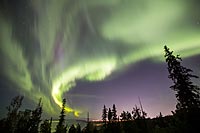
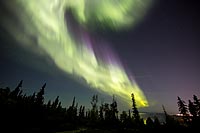
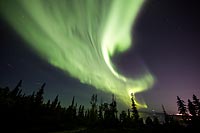
It is said that viewing the Northern Lights in large cities is not very impressive due to the light pollution. While it is generally true,
once in a while, the geomagnetic storm is so intense that the Aurora can give you a memorable show in the sky. This series of pictures were taken
in Anchorage.
|
|
|
|
|
Aurora Above Sleeping Lady
 |
|
|
Aurora Anchorage Inlet
 |
|
|
|
Bright Aurora
 |
| |
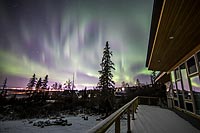
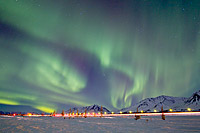
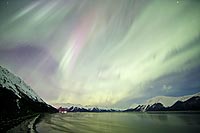
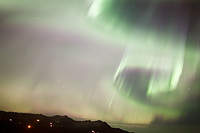
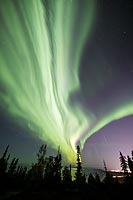
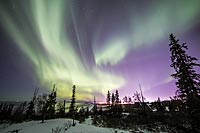
Aurora pictures in the Anchorage area. On this night, the Northern Lights were bright in spite of the light pollution.
|
|
Aurora Anchorage
 |
|
|
|
|
|
|
|
Aurora in Anchorage
 |
|
|
|
|
|
|
|
|
A sudden Geomagnetic storm sparks some bright Northern Light shows in the dark winter sky.
|
|
|
|
|
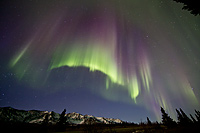
Aurora Ribbon
 |
|
|
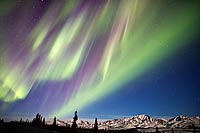
Aurora Colors
 |
|
|
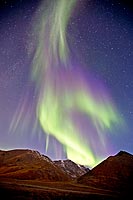
Purple, yellow and green spikes of light sweep across the sky in the middle of the night.
|
|
Bright Aurora
 |
| |
| |
|
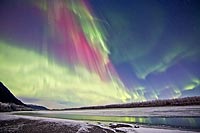
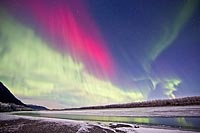
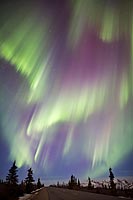
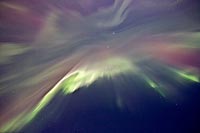
Un uptick in the Auroral activity afforded some incredible displays of Northern Lights in the new year. This time, some bright red colors were visible, even with your
naked eyes.
|
|
|
|
|
Aurora Overhead
 |
|
|
Aurora Colors
 |
|
|
|
Bright Aurora
 |
| |
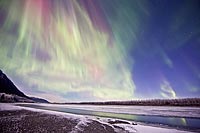
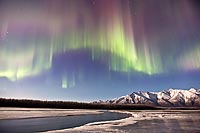
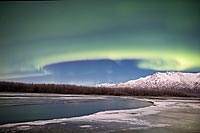
Lighting up the Alaskan night sky in red, purple, yellow and green colors.
|
|
|
|
|
Aurora Full Sky
 |
|
|
|
|
|
Aurora activity has picked up considerably since the lows of the years past, and 2012 / 2013 were supposed to be very promising years for Aurora watchers.
Although some strong solar flares hit Earth's atmosphere in February, March and April of 2012, the intensity of the solar activity
did not reach the expected levels.
|
|
|
|
|
|
|
|
|
|
These pictures were taken when the Kp Index was 4 or above. The Kp Index, on a scale
from 0 to 9, measures the global level of geomagnetic activity. The higher the better for auroras.
|
|
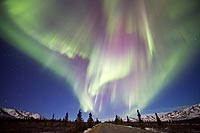
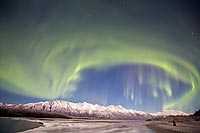
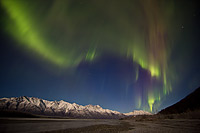
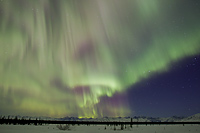
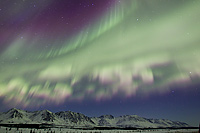
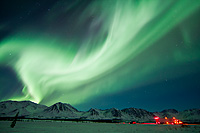
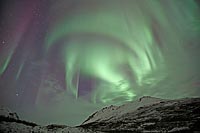
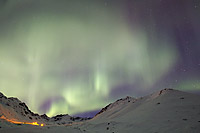
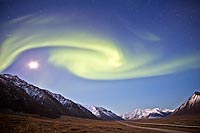
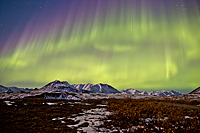
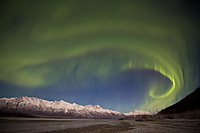
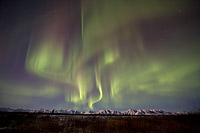
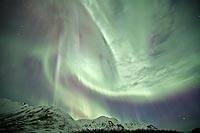
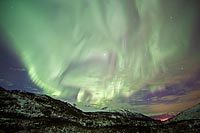
This time the Aurora was strong enough to light up the entire sky above us. The moon was also out, illuminating the mountain range in a distance.
|
|
|
|
|
Aurora Lights up the Entire Sky
 |
|
|
Bright Aurora
 |
|
|
|
Aurora Colors
 |
| |
Lighting up the Alaskan night sky in red, purple, yellow and green colors.
|
|
|
|
|
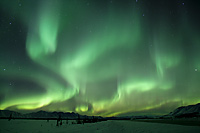
Green and Yellow Aurora
 |
|
|
|
|
|
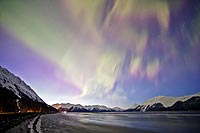
Aurora at Dawn
 |
| |
The Northern Light displays were active all night and until the early hours of dawn.
|
|
|
Tonight, the sky is cloudy and it doesn't seem to be a good night for the Northern Lights. We keep driving North, hoping to find a
patch of clear sky. We're now hundreds of miles above the Arctic Circle and still, the conditions haven't improved.
As the night falls, the temperature drops well below zero... Fahrenheit.
|
|
|
|
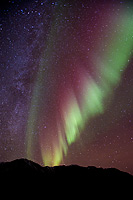
Milky Way
 |
|
|
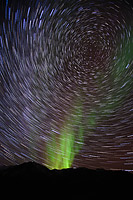
Star Trail
 |
|
|
|
|
Resigned, we need to find a place to spend the night safely. In a few more miles, maybe, we'll reach a safe spot, but the darkness makes it difficult
to find one. Finally, I pull over and lower the window to inspect the area. To my surprise, I realize the stars begin to pierce through the thinning clouds.
This is it. That's the spot! We prepare the cameras, in anticipation for the upcoming light show. However, the excitement eventually fades as
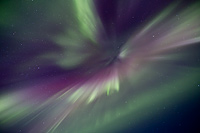
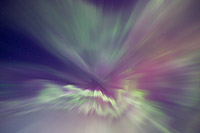
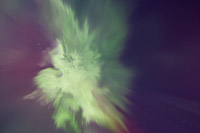
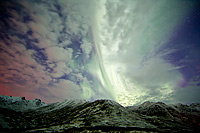
the Auroras only make a modest appearance. Then, suddenly the sky ignites in a ball of fire...
|
|
|
|
|
|
|
Aurora Erupts Like a Volcano
 |
|
|
|
Northern Lights in South Central Alaska |
|
|
|
|
During periods of high solar activity, you don't need to be in the far North to see the Northern Lights. This series of pictures was taken
in Anchorage where light pollution usually drowns the Aurora Borealis. However, this time, the Northern Lights were particularily strong.
|
|
|
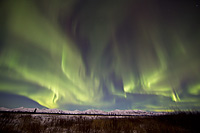
Throughout the night, the Northern Lights continued to dance across the heavens above, constantly changing shape.
|
|
|
|
|
|
|
This light show was the result of a strong coronal mass ejection hitting the earth's upper atmosphere.
|
|
|
|
|
|
|
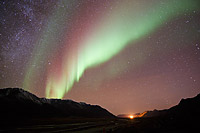
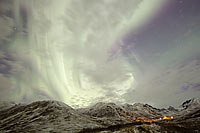
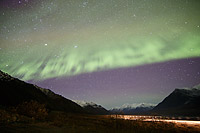
A Coronal Mass Ejection (CME) hits Earth's upper atmosphere, sparking some high intensity auroras visible in northern latitudes.
|
|
|
Red, Yellow & Green Aurora
 |
|
|
White Aurora
 |
|
|
|
|
Aurora Before Dawn
 |
|
|
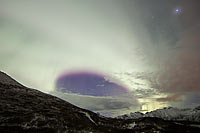
Black Hole
 |
|
|
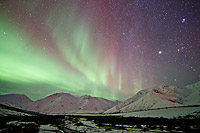
Aurora Above Pipeline
 |
|
|
During these past few months, there has been a slew of strong auroras visible at high latitudes. Sky watchers in Alaska have been delighted
to witness such colorful northern lights.
After years of chasing the aurora, we can't really answer the question
"when is the best time to see the aurora?".
|
|
|
|
|
|
|
|
|
|
|
When the aurora activity is strong, it is not uncommon for the light show to start immediately after sunset.
The intensity of the northern light is so strong that the vast landscape is illuminated in the dead of the night.
|
|
|
|
The March 7th 2012 X-Flare from the huge sunspot AR1429 has resulted in some amazing auroral displays in the northern skies of Alaska.
The Kp index reached 7, a level not seen in a long time, when the Coronal Mass Ejection (CME) hit the earth's atmosphere...
The intensity of the aurora was so strong that some red, purple and yellow colors were visible.
|
|
|
The Northern Light could be seen directly overhead at the peak of the celestial storm.
|
|
|
|
|
|
|
The aurora activity is particularily high that night. Such strong display of light far south in the Anchorage area hasn't occured in years.
|
|
|
|
|
|
|
|
February auroral activity was strong, benefiting from a Planetary Kp Index of 4 or higher. Based on the Geophysical Institute in Fairbanks,
a Kp Index of 4 corresponds to an "High Auroral Activity".
|
|
|
The Northern Lights moved across the whole sky, covering the backdrop of stars. The extreme cold temperature in the dead of winter is brutally numbing,
but there is no other place I'd rather be at this time.
|
|
|
|
|
|
|
Throughout the night, the Northern Lights continue to dance across the heavens above, constantly changing shape.
|
|
|
|
|
Taking Pictures of Aurora |
|
|
|
|
|
|
Taking pictures of the Northern Lights is always a challenge, especially when the temperature dips to 30�F below zero.
|
|
When Solar Winds Hit the Earth's Magnetosphere... |
|
|
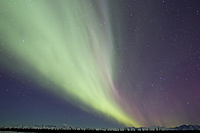
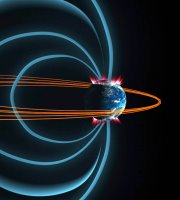
Auroras occur when charged particles from the Sun strike atoms in the Earth's atmosphere.
The intensity of Auroral displays on Earth is directly tied to the Sun's activity which
follows an 11 year high-low cycle. Solar activity should begin to increase in 2010, with a peak expected to occur in 2012 or 2013.
|
|
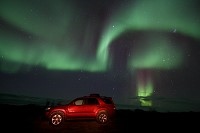
>> See Auroras in Canada
 |
|
|
|
|
|
|
|
|
|
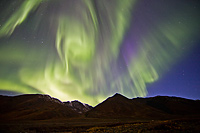
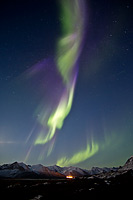
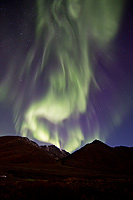
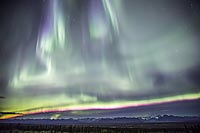
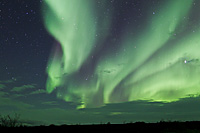
Green is the most common color but during periods of intense solar flares, auroras often display shades of red, yellow or purple.
An Aurora Borealis occurs in the northern hemisphere, while an Aurora Australis occurs over the south pole.
|
|
Aurora Map - Where is the Aurora Visible Now? |
|
|
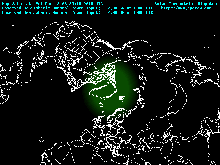
Click on the Aurora Map (provided by www.Spacew.com) to see where the aurora is currently visible on the Northern Hemisphere, weather permitting. The map is updated
every 5 to 10 minutes, based on the latest solar wind data.
|
|
|
|
|
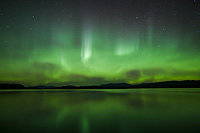
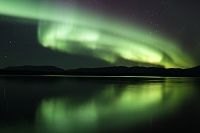
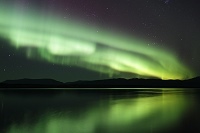
Aurora Reflection on a Lake |
|
|
|
|
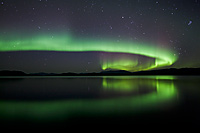
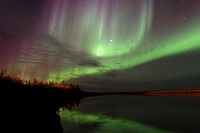
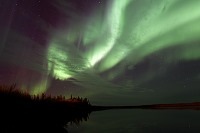
The winter of 2010 rewards our patience with this amazing light show in the
sky. Just a moment ago, we were driving well into the night on an empty stomach, when the northern lights made their first appearance. Unfortunately,
we have not yet found a good shooting location. Mile after mile, and turn after turn on this long winding road, we see the faint green glow becoming
increasingly brighter through the tall trees. Panic sets in as it becomes apparent we are about to miss the show ...
|
|
|
Then, a road sign gives us some hope: "Lake Campground Ahead". The Aurora is not waiting for us, so we have to take this turn. We finally
reach the lake at the end of the small gravel road, jump out of the truck and race to setup the equipment.
|
|
|
|
|
|
|
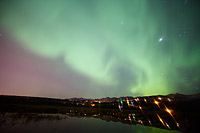
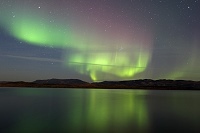
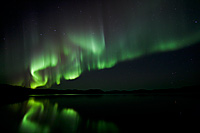
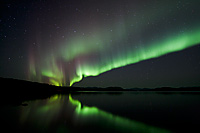
Throughout the night, the Northern Lights continue to dance across the heavens above while the reflections on the glassy lake illuminate the landscape below.
We then realize what a perfect location we had found, all by an incredible stroke of luck ...
|
|
|
|
|
North of the Arctic Circle |
|
|
|
|
|
|
some strange light shows can be witnessed for those who are brave enough to walk this inhospitable land north of the Arctic Circle, battered
by high winds and gripped by subzero temperatures. Incredibly bright auroras turn the sky into a huge neon light.
|
|
|
Inuvik, Northwest Territories |
|
|
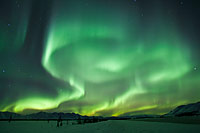
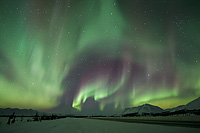
The end of the road in Canada's Northwest Territories greets us with another great Aurora.
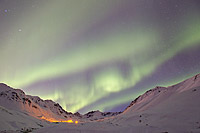
The sky is mostly clear above the town of Inuvik, and being so far north above the Arctic Circle, the night temperature is dropping fast.
However, just watching the beautiful arches of green and purple lights slowly moving across the sky warms up our spirit.
|
|
|
|
|
|
|
|
|
Inuvik is a quiet town at the end of the Dempster Highway. We keep taking pictures well into the night, until the Northern Lights
finally fade.
|
|
|
|
|
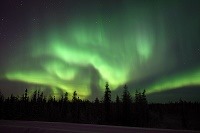
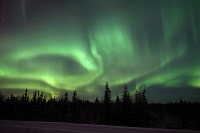
We're in the middle of nowhere and the closest city lights are hundreds of miles
away. It's eerily quiet ... there isn't a sound in the dead of the night. As our eyes get accustomed to the darkness, the Milky Way slowly brings the sky
to life with thousands of stars flickering. Then... the Northern Lights made their appearance in this awe inspiring backdrop.
|
|
|
Northern Lights In the Yukon |
|
|
|
|
|
|
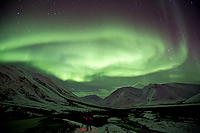
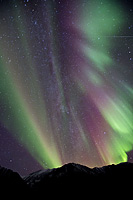
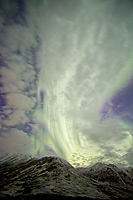
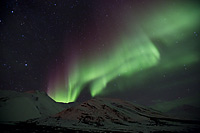
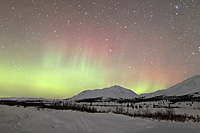
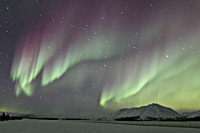
As the road signs say in this region of Canada, "everything is bigger in the Yukon", including the Auroras. We were lucky to witness this incredibly
bright Aurora which even had some pink and purple edges.
|
|
|
|
|
|
|
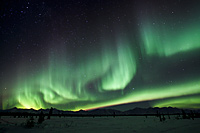
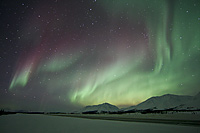
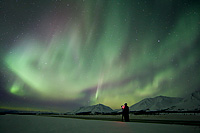
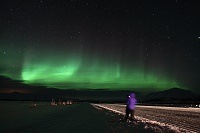
Due to its high northern latitude relatively close to the Arctic Circle, Fairbanks is a good location to see Auroras. These pictures were taken in November.
|
|
|
|
|
These amazing displays of lights in the northern skies have intrigued anybody who have been lucky enough to witness their spectacle.
The lights slowly move accross the sky and change shapes. Since the old times, the northern lights were named after the Roman Goddess of dawn, Aurora.
|
|
|
In other cultures, Eskimo legends depict auroras as spiritual manifestations. Whatever they may be, they are just incredible to watch.
Pictures of these Auroras were taken in the Fairbanks area.
|
|
|
|
|
|
|
|
|
|
|
Aurora displays really do come in many shapes, but they often start as faint ribbons, gradually increasing in intensity.
|
|
|
At the peak of their brightness, the northern lights move visibly faster as they dance across the sky.
|
|
|
|
|
|
Another Spike in Activity |
|
|
I'm always amazed at how bright they can be, especially when it's pitch black in the middle of nowhere.
|
|
|
|
|
|
Anchorage, Fairbanks & Valdez Auroras |
|
|
Pictures of these Auroras were taken in Anchorage, Fairbanks and Valdez, Alaska.
|
|
|
More Northern Light shows in the dark winter sky.
|
|
|
|
|
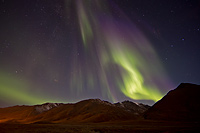
Aurora Hits Earth
 |
|
|
Aurora Colors
 |
|
|
|
Bright Aurora
 |
| |
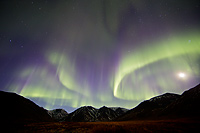
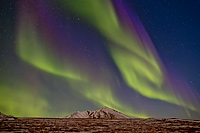
Lighting up the Alaskan night sky in red, purple, yellow and green colors.
|
|
Go to the Moon & Get the Best Pictures
...Smile... ' Click! '

[email protected]
© Copyright Go2Moon, Alaska